

Failed IVF: 7 Reasons Why and What to Do Next
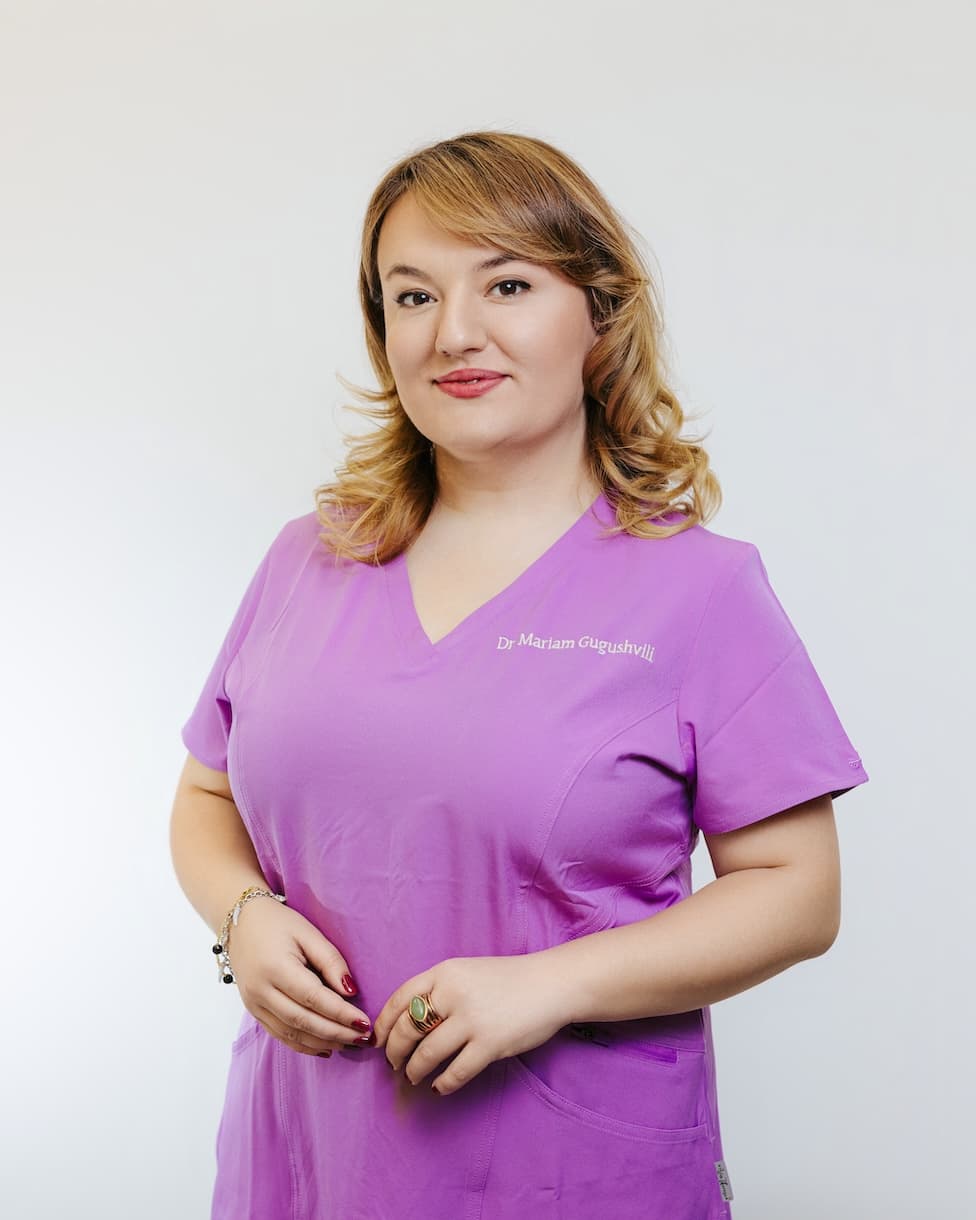
Dr. Mariam Gugushvili
Reproductive medicine physician, ESHRE member · 7 years of clinical practice
A failed cycle always hurts, and the first thing a couple usually hears is: "let's just try again". Sometimes that is the right advice. But when transfer after transfer ends without a pregnancy, repeating the same thing without analysing the causes is the worst strategy. As a physician I review failed cycles every week; here are the seven most common causes and what can be done about each.
1. Chromosomal abnormalities of the embryo
The most frequent cause of implantation failure and early loss is aneuploidy – an abnormal chromosome set in the embryo. The probability grows with the woman's age: after 40, most embryos are aneuploid. What to do: preimplantation genetic testing (PGT-A) allows transferring only euploid embryos – it does not increase their number, but it saves months and protects you from transfers that were doomed from the start.
2. Age and oocyte quality
If embryos consistently arrest before the blastocyst stage, or PGT-A finds no euploid embryos cycle after cycle, the problem is usually egg quality. Changing the stimulation protocol sometimes helps, but an honest conversation at this point also includes donor oocytes: with a young donor, pregnancy rates per transfer return to 50–60% regardless of the intended mother's age.
3. The endometrium and the implantation window
Even a perfect embryo will not implant into an unprepared endometrium. Chronic endometritis, polyps, adhesions, a thin lining – all of these can be found and treated: hysteroscopy with biopsy answers most questions. In some women the implantation window is shifted in time – an endometrial receptivity test (ERA) helps schedule the transfer on the right day; it makes sense after two or more failed transfers of good embryos.
4. The male factor
This is the most forgotten one: a "normal" semen analysis does not exclude high sperm DNA fragmentation, which is associated with embryo arrest and pregnancy loss. A DNA fragmentation test is a simple study worth doing after any repeated failure. Some problems are solved by lifestyle changes and treatment, others by laboratory sperm selection techniques.
5. Thrombophilias and immune factors
Hereditary thrombophilias, antiphospholipid syndrome, thyroid disease – these are more often linked to pregnancy loss than to failed implantation, but after repeated failures they must be ruled out. It is equally important not to fall into the opposite extreme: long lists of "immunological" tests and infusions without an evidence base are a common way to monetise a couple's despair. Ask your doctor what exactly is being prescribed and why.
6. A template stimulation protocol
The same protocol does not work the same way for everyone. A poor response, empty follicles, immature oocytes – these are reasons to reconsider the doses and the type of protocol, not simply to repeat it. That requires a detailed review of previous cycles: how many follicles grew, how many oocytes of what maturity were retrieved, what happened to the embryos day by day. If the clinic does not give you the embryology report – request it: it is your data and the key material for a second opinion.
7. When pregnancy cannot be carried
A separate group of causes is when the embryos are good, but carrying a pregnancy is impossible or dangerous: hysterectomy, severe Asherman's syndrome, uterine malformations, medical contraindications to pregnancy. In these situations a surrogacy program is not a "last resort" but a medically justified route with high success rates: the couple's embryos are transferred to a fully screened gestational carrier.
Where to start after a failure
Not with a new protocol. Start with a full review: embryology reports from all cycles, hysteroscopy if a uterine factor is suspected, a PGT-A discussion, a DNA fragmentation test, basic thrombophilia work-up. And an independent second opinion: a fresh look from a physician who did not run the previous cycles finds what was missed more often than anyone likes to admit. At Bloom, a case review with a fertility specialist is the free first step of every program – come even if you are not yet planning a program with us.
Would you like to discuss your situation with the Bloom team?
Free consultation